
Backlinks are one of the most important parts of SEO, but many business owners still find them confusing.
A backlink is simply a link from another website to your website. When a trusted website links to your content, it can send a positive signal to Google that your website is useful, relevant, and worth showing to more people.
However, not every backlink is helpful. Some links can improve your SEO, some may not make much difference, and some can even create risk if they come from spammy or low-quality websites.
This is why professional link building services focus on quality, relevance, and safety instead of just building as many links as possible.
In this guide, we will explain what backlinks are, why quality matters, what link building services include, and how quality backlinks can support better Google rankings.
What Are Backlinks?
A backlink is a link from one website to another website.
For example, if a business blog, news website, industry directory, or trusted publication links to your website, that link is called a backlink.
Search engines use backlinks as one of many signals to understand how trustworthy and useful a website may be. When your website earns links from relevant and reliable sources, it can help improve your website authority over time.
But backlinks should feel natural. They should come from real websites, useful content, and relevant sources that make sense for your business.
Why Quality Matters More Than Quantity
Many businesses make the mistake of thinking that more backlinks always mean better rankings.
That is not true.
One high-quality backlink from a trusted and relevant website can be more valuable than dozens of weak links from random websites.
Good backlinks usually come from websites that:
- Are relevant to your industry
- Have real content and real visitors
- Are trusted by search engines
- Link naturally within useful content
- Have a clean backlink profile
- Make sense for your target audience
Bad backlinks often come from:
- Spam websites
- Link farms
- Unrelated blogs
- Low-quality guest post sites
- Websites created only to sell links
- Pages with too many outbound links
Google wants to reward websites that build authority naturally. This is why link building should always be done carefully and strategically.
What Do Link Building Services Include?
Professional link building services are not just about placing links. A proper link building plan includes research, planning, outreach, content creation, quality checks, and reporting.
A good link building service may include:
- Competitor backlink analysis
- Industry research
- Link opportunity research
- Manual outreach
- Guest posting
- Digital PR
- Business directory submissions
- Local citations
- Niche edits where suitable
- Content planning for link-worthy pages
- Anchor text strategy
- Backlink quality review
- Monthly reporting
The goal is not only to build backlinks. The real goal is to build website authority safely and help your SEO grow over time.
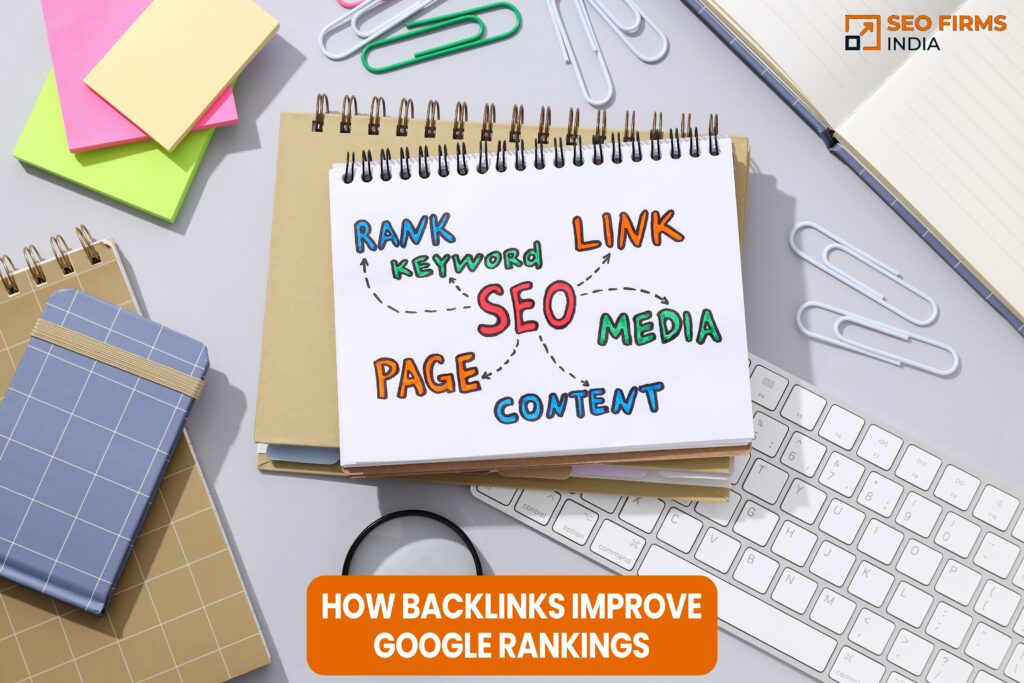
How Backlinks Improve Google Rankings
Backlinks can support Google rankings because they help search engines understand that other websites trust your content.
When multiple quality websites link to your pages, it can help improve your website authority and increase your chances of ranking higher for competitive keywords.
Backlinks can help with:
- Building website authority
- Improving keyword rankings
- Increasing referral traffic
- Helping Google discover pages faster
- Supporting trust signals
- Strengthening overall SEO performance
However, backlinks alone cannot fix every SEO problem.
If your website has weak content, slow loading speed, poor page structure, or unclear service pages, link building may not deliver the best results. The strongest SEO results usually come when backlinks work together with technical SEO, on-page SEO, and high-quality content.
Why Relevance Is Important in Link Building
Relevance is one of the most important parts of safe link building.
For example, a backlink from a marketing blog may be useful for an SEO company. A backlink from a real estate publication may be useful for a property business. A backlink from a medical website may be useful for a healthcare clinic.
But a link from a random website with no connection to your business may not provide much value.
Relevant backlinks help Google understand your business category, services, and topic authority. They also make the link look natural because the connection between both websites makes sense.
Natural Anchor Text Matters
Anchor text is the clickable text used in a backlink.
For example, if another website links to your page using the words “link building services,” that phrase is the anchor text.
Anchor text helps search engines understand what the linked page is about. But using the same keyword anchor too many times can look unnatural.
A safe anchor text strategy usually includes a mix of:
- Brand name anchors
- Website URL anchors
- Natural phrases
- Service-related phrases
- Partial keyword anchors
- Limited exact-match keyword anchors
A balanced anchor text profile looks more natural and helps reduce SEO risk.
Quick Link Building Checklist
Before starting link building, review these important points:
- Is the linking website relevant to your industry?
- Does the website have real content?
- Does the website look trustworthy?
- Does the page have too many outbound links?
- Is the link placed naturally within useful content?
- Is the anchor text natural?
- Is the website free from spam signals?
- Does the link support your SEO goals?
- Are you tracking links every month?
- Are you avoiding bulk cheap link packages?
This checklist can help you avoid risky shortcuts and focus on links that may actually support long-term SEO growth.
Common Link Building Mistakes to Avoid
Many businesses lose money because they choose shortcuts instead of safe SEO practices.
Avoid these common mistakes:
1. Buying Bulk Cheap Links
Cheap link packages often include low-quality backlinks from spam websites. These links may not help your rankings and can create long-term risk.
2. Using Exact-Match Anchor Text Too Much
Repeating the same keyword anchor again and again can look unnatural. A balanced anchor text strategy is safer.
3. Ignoring Website Relevance
Links from unrelated websites usually provide less value. Relevance should always come before quantity.
4. Building Links Before Fixing the Website
If your website has poor content, technical errors, or weak landing pages, backlinks may not perform well. Fix your website first, then build authority.
5. Not Reviewing Backlink Quality
Every backlink should be checked. A monthly backlink report helps you understand what was built, where the link was placed, and whether it supports your SEO strategy.
How to Know Your Link Building Is Working
Link building takes time. You may not see results overnight, but you should be able to track progress clearly.
Important metrics to review include:
- Keyword rankings
- Organic traffic
- Impressions
- Clicks
- Referring domains
- Website authority growth
- Top-performing pages
- Leads and inquiries
- Phone calls
- Form submissions
Do not judge success from backlinks alone. A website may gain links but still fail to convert visitors. The goal is not only better rankings. The goal is more visibility, more trust, and more business opportunities.
Frequently Asked Questions
It depends on your competition, target keywords, current website authority, content quality, and industry. Some websites need only a few strong backlinks, while competitive niches may need a long-term link building plan.
No. Only quality, relevant, and safe backlinks are useful. Low-quality or spammy backlinks can create SEO risk.
Usually no. Link building works best when combined with technical SEO, on-page SEO, content optimization, and a strong website structure.
SEO results take time. In many cases, link building results may start showing over a few months, depending on competition, website quality, and overall SEO work.
A high-quality backlink usually comes from a trusted, relevant website with real content, clean SEO signals, and natural link placement.